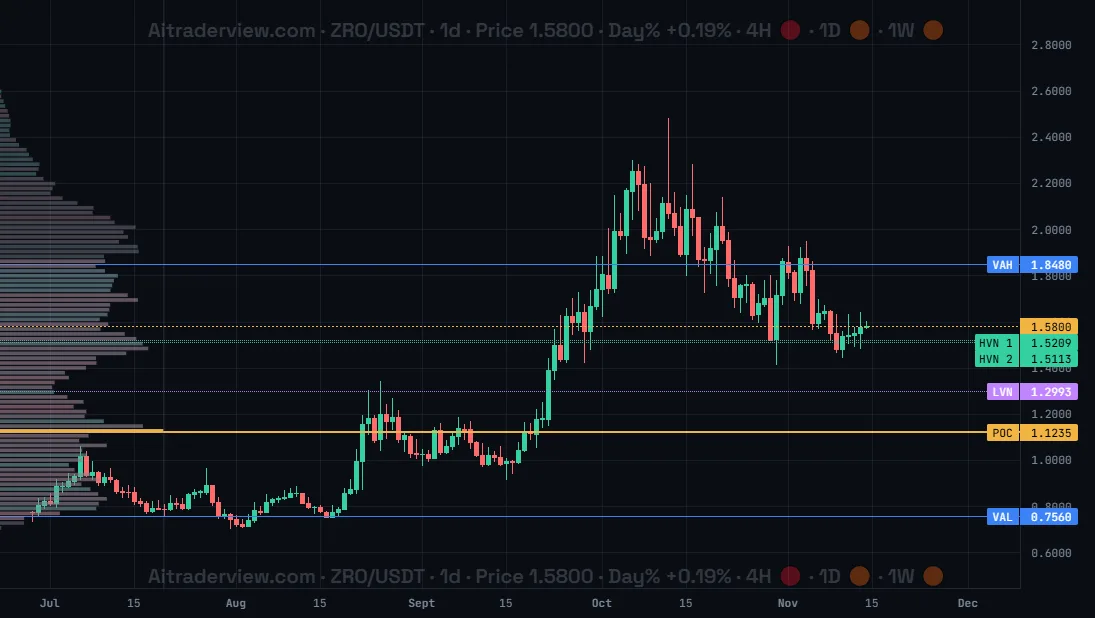
LayerZero (ZRO) is heading into an important period. On November 30, 2026, the Zero mainnet and the ATLAS trading engine are scheduled to launch. This article covers what has already happened, what is still to come, and where the risks are.
What Is LayerZero?
LayerZero is a protocol that lets blockchains communicate with each other. It now wants to grow further with its own blockchain (Zero) and a trading infrastructure (ATLAS) for exchanges and financial institutions.
Roadmap at a Glance
| When | Event |
|---|---|
| February 2026 | Zero announced, with named partners including Citadel, ICE and Google Cloud |
| April 2026 | ZRO buyback, funded by Stargate revenue, begins |
| April 18, 2026 | Kelp DAO hack of about $292 million through a LayerZero-powered bridge |
| August 25, 2026 | ATLAS unveiled |
| October 20, 2026 | November 30 launch date confirmed |
| Early November 2026 | Temporary pause on some routes after a Reth client bug |
| November 19/20, 2026 | Monthly unlock of roughly 23 million ZRO |
| November 30, 2026 | Zero mainnet and Open ATLAS go live |
| After launch | ATLAS fees, buyback and burn, expansion into institutional markets |
Zero: The Dedicated Blockchain
Zero is a layer-1 blockchain built with financial markets in mind. ZRO secures the network through delegated proof of stake and is used for gas fees and governance.
ATLAS: The Trading Engine
ATLAS runs on Zero and handles trading and settlement behind the scenes of other platforms. It has no consumer app of its own. More than a dozen trading venues are expected at launch, and an institutional version is planned for later. The stated capacity of 200,000 transactions per second is a figure from LayerZero itself and has not yet been independently verified.
What Does This Mean for the ZRO Token?
Rebates: trading venues that stake more ZRO receive a higher discount (20–65%) on their fees.
Buyback and burn: of the fees left after those rebates, 75% goes to buying and burning ZRO, and 25% goes to market creators.
Network functions: ZRO is used for security, gas and governance.
This only works if real trading volume develops. These are plans, not guaranteed outcomes.
Unlocks: Supply Keeps Growing
Each month, around 23 million ZRO is released to core contributors and strategic partners. The next unlock falls around November 19–20. An unlock does not automatically mean tokens are sold, but it does increase potential supply. Further unlocks are scheduled into 2027.
Risks
Security and trust: after the Kelp hack and the lawsuit that followed, several partners have moved to Chainlink.
Technical outages: the Reth bug showed that a single flaw in widely used software can affect multiple chains.
Execution: delays or a shaky start on November 30 could damage confidence.
Market conditions: ZRO often moves with the broader crypto market.
Conclusion
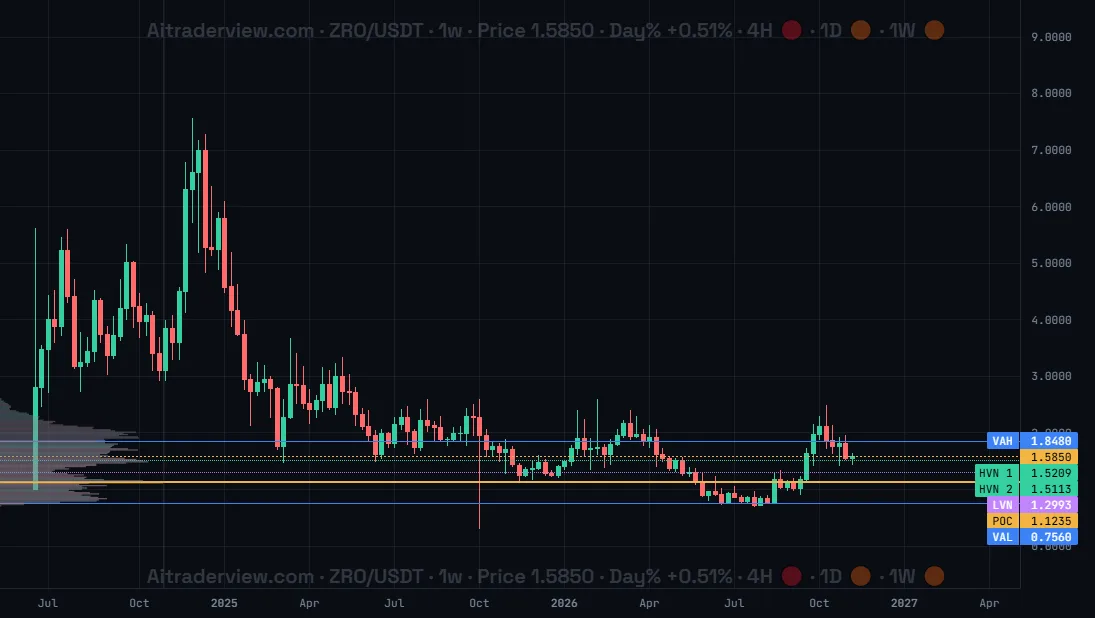
The coming weeks are decisive: first the unlock, then the launch of Zero and ATLAS. Over the longer term, what matters most is whether ATLAS is actually used and whether its fees create lasting demand for ZRO.
This article is for information only and is not investment advice. Cryptocurrencies are highly volatile; always do your own research.
This article is the personal opinion of the author and is not financial advice. Trading carries risk. Written in the language of the author.