
The Situation
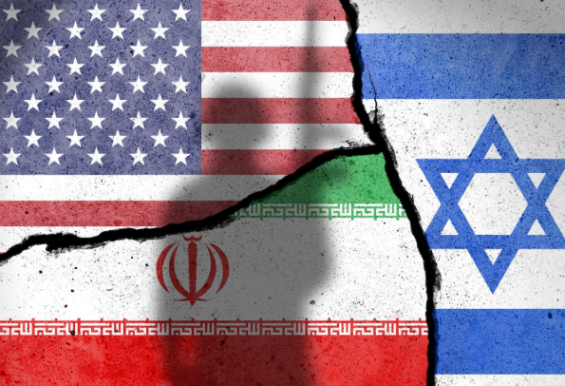
According to anonymous security advisors speaking to CBS and CNN, the US military is ready to launch an attack on Iran as early as this weekend. However, President Donald Trump has not yet made a final decision.
The Trump administration is reportedly hesitant, fearing that a strike could severely escalate the conflict in the Middle East. Trump recently received an update on the situation from special envoy Steve Witkoff and his son-in-law Jared Kushner, who are involved in indirect talks with Iran. The Pentagon has declined to comment on the matter.
Diplomatic Tensions and Timelines
- Accelerated Timeline: Initially, the US estimated its Middle Eastern forces would be ready for a potential strike by mid-March. That timeline has now been moved up significantly.
- Geneva Talks: The US and Iran are currently at a deadlock in Geneva regarding Iran’s nuclear program. Vice President JD Vance stated that Iran refuses to respect the limits set by the US. In response, Iran is reportedly drafting a written proposal to break the stalemate.
- Upcoming Meetings: US Secretary of State Marco Rubio will travel to Israel on February 28 to discuss the escalating situation with Prime Minister Benjamin Netanyahu.
International Warnings
- Poland: Polish Prime Minister Donald Tusk has urgently warned his citizens to leave Iran immediately, stating that within a few hours, evacuations might become impossible.
- Russia: Russian Foreign Minister Sergei Lavrov strongly warned the US against a new attack, stating it would have severe consequences. He emphasized that Arab nations in the region want to avoid escalation, calling the situation “playing with fire.”
How Could This Impact the Financial Markets?
If the US proceeds with a military strike against Iran, it would trigger a classic “risk-off” environment. Investors tend to panic during unexpected geopolitical conflicts and quickly move their money from risky investments into safe havens.
Here is what you can expect across major asset classes:
📉 The Stock Market
- Broad Decline: Expect a sharp drop in major stock indexes (like the S&P 500 and Nasdaq) as uncertainty creates fear among investors.
- Sector Exceptions: Defense contractors (weapons manufacturers) and energy companies (oil and gas) would likely see their stock prices rise. A conflict involving Iran almost guarantees a spike in global oil prices due to threats to the Strait of Hormuz, a crucial global oil shipping route.
📉 Cryptocurrency
- Initial Sell-Off: While some crypto enthusiasts call Bitcoin “digital gold,” cryptocurrencies are generally treated as high-risk assets. In the event of breaking war news, crypto markets usually experience a rapid, steep drop as investors quickly cash out to cover losses elsewhere or move to safer assets.
📈 Gold
- Price Surge: Gold is the traditional “safe-haven” asset. During times of war, geopolitical instability, or high inflation (which spiked oil prices could cause), investors flock to gold. Expect the price of gold to shoot up significantly.
📈 The US Dollar (USD)
- Strengthening: Despite the US being directly involved in the conflict, the US dollar typically strengthens during global crises. It is viewed as the world’s reserve currency, and international investors will buy dollars and US Treasury bonds as a safe place to park their cash until the panic subsides.
You can use our automated technical analysis software for free. All you need to do is create a free account and launch our AiTraderView web app.
⚠️ RISK WARNING & AI DISCLOSURE
- This information is generated by Artificial Intelligence (AI) and complex algorithms. While advanced, these systems can contain errors or inaccuracies and are for educational purposes only.
- Technical analysis provides no guarantees; this information is purely informative.
- All discussed scenarios are hypothetical and do not constitute predictions or expectations.
- Past performance is not an indicator of future results.
- This is not financial advice and is not intended as a call-to-action for the reader.
- No implicit direction is claimed, and no specific behavior of market participants is suggested.